
That’s the question that keeps many moms working in medicine up at night. For years after my son was born, I wrestled with the tug-of-war between home life and career. I had trained for years to become a PM&R physician, but I also didn't want to miss the precious early years of my child's life.
But a path exists that in which physicians in every career stage are finding their way forward... especially women in medicine.
The statistics tell a sobering story: Research shows that within six years after completion of their training, nearly 23% of women physicians are not working full-time, compared to 3.6% of men in physician roles.
I chose to be a stay-at-home mom after my son's birth, and that was the right decision for me and my family at that time. But as he grew older and more independent, I found myself wanting to return to medicine, just not at the rigorous pace I once thrived on.
The best of both worlds
Like many, I had never seriously considered working in a locum tenens role before. I associated it primarily with filling temporary gaps in care. But as I researched locum tenens opportunities, I began to realize that this could be exactly what I needed.
According to recent data, this need for flexibility isn't unique to my situation. Clinicians don't want to simply work less; they want increased flexibility around when they work. When asked about work-life balance priorities, the top factor was "adequate time for family commitments" followed closely by "flexible scheduling options."
More than one-third of clinicians surveyed had a second job, and 75% of those positions were 1099 independent contractor roles. The top motivations? Financial reasons and schedule flexibility: exactly what drew me to locum tenens.
Why the locums approach stands out
From the moment I expressed interest in my first locum tenens position, I was treated with exceptional care and respect. I received assistance with all necessary credentialing and licensure — support I didn't even have to ask for.
This respectful treatment didn't just reduce my anxiety about returning to work; it boosted my confidence as a physician getting "back into the swing of things." And that excitement was contagious—my family was thrilled for me too.
Advice to other clinicians
The landscape for women in medicine is changing. For the first time ever in 2019, women accounted for a majority of students enrolled in med school in the U.S. That percentage grew to more than 54% in the 2023-24 academic year. More women than ever are entering medicine, and more are grappling with how to balance professional excellence with personal fulfillment.
- Balance is possible. Do not be intimidated by wanting the best for your personal and professional lifestyles. Being true to your values and goals in life is what matters.
- You can have a successful career and a family, so consider locum tenens work as a path to that work-life balance.
- Adapting to the new normal is key and embracing modern tech in PM&R specifically can equip you for the role that is right for your life and career.
Healthcare roles are adapting

The healthcare staffing landscape is evolving rapidly. Staffing Industry Analysts projected a 12% growth in demand for locums providers, making it the fastest-growing segment in healthcare. With a national physician shortage expected to surpass 86,000 by 2036, flexible staffing solutions are essential for maintaining patient access to care.
For women in medicine especially, who still face challenges in advancement (representing 80% of entry-level positions but only 30% of C-suite roles), locum tenens offers a viable path to maintain clinical expertise while navigating life's different seasons.
For clinicians considering starting a family, returning to medicine after time away or simply seeking more flexibility in your career, locum tenens can provide the support and professional fulfillment that makes it possible to excel in both your career and your personal life.
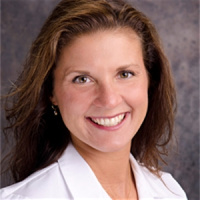
About the author
Dr. Dana Martini, DO
Dr. Dana Martini is a board-certified physiatrist specializing in physical medicine and rehabilitation. After taking time away from clinical practice to focus on her family, she returned to medicine through locum tenens work, discovering a career path that allows her to excel both as a physician and as a mother. She serves as an oral board examiner for the American Board of Physical Medicine and Rehabilitation.